
Protect the Wahíye on Hena Amai:

Updated: Aug 17
I recall my early years in elementary school, playing on the playground with my classmates. We were captivated by the movements of plants and earthworms, and we’d run in fear at the sight of bees, worried about getting stung. Our curiosity led us to observe ants building their homes in the dirt. While we celebrated Earth Day annually at school, the importance of Indigenous planting and farming techniques was never emphasized. It wasn’t until speaking with my Native elders that I grasped the interconnectedness between humans and plants, learning about true symbiosis and reciprocity. My journey toward advocating for Environmental Social Justice began in college, where I interned with the Northeast Earth Coalition and volunteered at the Three Sister’s Munsee Medicinal Farm owned by the Ramapough Lenape tribe. Despite living in Lenapehoking (New Jersey) my whole life, I was unaware of the state’s high number of Superfund sites and the injustices faced by nearby Indigenous communities, such as the harm caused by the Ford Motor Company to the Ramapough Lenape tribe. I personally witnessed first hand testimony from Ramapough Lenape tribal citizens how the Ford Motor Company deliberately discharged toxic paint sludge into their tribal community’s ma:ni (water) and ama: (land), resulting in numerous tribal members succumbing to cancer and breathing polluted air. This parallels the ongoing challenges faced by my Indigenous Nation, as greedy corporations seek to construct the Mountain Valley Pipeline on our sacred land, disregarding the protections outlined in the Clean Water Act. The ongoing struggle against capitalist exploitation of the land underscores the importance of Indigenous voices in raising awareness about environmental issues and advocating for sustainable stewardship.
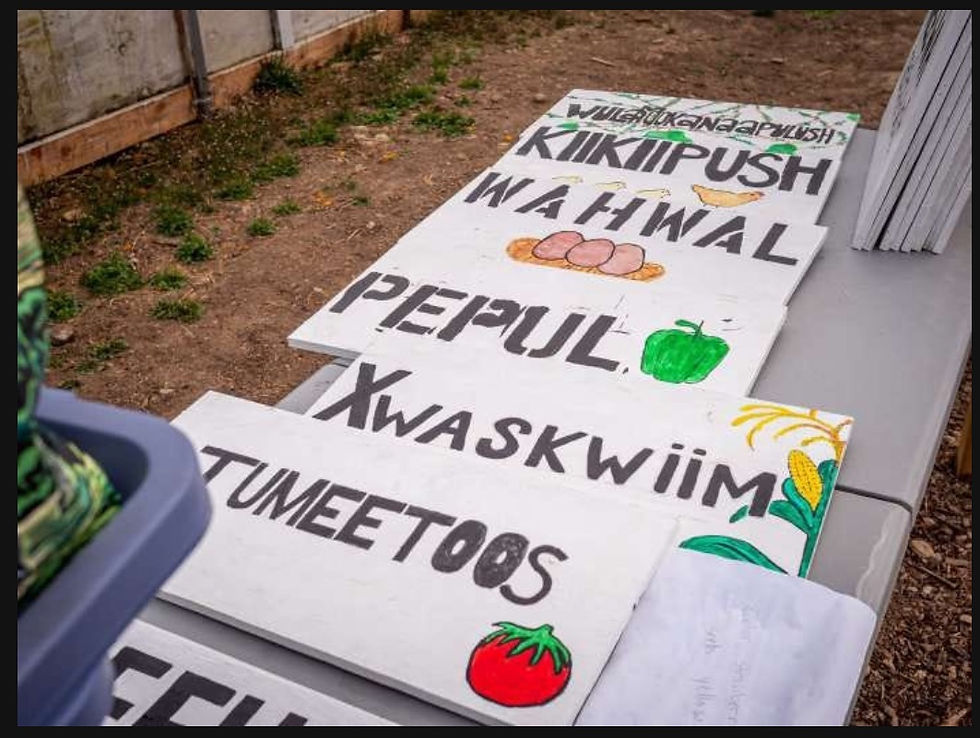
It’s disheartening to learn that there are more than 800 endangered plants in New Jersey. As an Afro-Native individual with Malagasy lineage, part of my people’s traditions involves adorning ourselves with flowers. In yesa:sahį, known as Tutelo-Saponi by linguists, we as Yesáh people refer to flowers as Wahíye. In our language, we assign a unique word to flowers because we cherish their beauty and value the joy they bring to our lives. Flowers symbolize our profound bond with the environment and hold great importance in our cultural and spiritual traditions.
The Importance of the Wahíye
Flowers play a crucial role in our ecosystem. According to WildElements.com,“ By planting a flower, you help your own mental health and the health of the planet. Growing flowers native to your neighborhood can help retain groundwater, put oxygen back into the soil, sustain a healthy ecosystem, and even lower feelings of stress or isolation, according to a New Jersey study.” Flowers also play a vital role in pollination, which is integral to fruit production and seed development. This displays the importance of advocating for flowers and safeguarding their existence to prevent extinction.
The Downfall of Weaponizing Colonial Rhetoric in the Scientific Field
Colonial science often seeks to discredit the voices of our non-human relatives and diminish Indigenous ways of knowledge and epistemologies by disregarding the intelligence of plants and trees. Indigenous communities recognize this connection deeply, as we have sustained ourselves from the land for multiple generations, prioritizing nurturing relationships with our relatives rather than suppressing them for profit. Despite assertions by certain scientists that flowers do not experience emotions or do so differently from humans, Indigenous scientists and ecologists have long challenged this misconception. Plants indeed experience stress akin to our own. When subjected to abuse and unethical sourcing, their well-being suffers, ultimately affecting us as well. The interconnectedness of all elements in nature underscores the necessity for scientists to decolonize their approach and cease attempts to separate humanity from nature, as we are an integral part of it.
“Cultures of gratitude must also be cultures of reciprocity. Each person, human or no, is bound to every other in a reciprocal relationship. Just as all beings have a duty to me, I have a duty to them. If an animal gives its life to feed me, I am in turn bound to support its life. If I receive a stream’s gift of pure water, then I am responsible for returning a gift in kind. An integral part of a human’s education is to know those duties and how to perform them. The Thanksgiving Address reminds us that duties and gifts are two sides of the same coin,” (Kimmerer, Robin. Braiding Sweetgrass. Milkweed Editions, 2013).
Potawatomi scientist Robin Wall Kimmerer eloquently portrays in her enlightening book “Braiding Sweetgrass” the way human beings ought to lead their lives. She references the Haudenosaunee Thanksgiving Address to emphasize the importance of expressing gratitude to Hena Amai: for her provisions. Instead of waiting for November or observing a holiday marred by genocide, which is a day of mourning for Wampanoag and Pequot communities, we should cultivate gratitude each day. Indigenous traditional knowledge and teachings serve as a guiding principle for our daily existence. Every element within the ecosystem holds significance; nothing is inconsequential. The Western mindset promotes self-centeredness, arrogance, and ego, detrimentally impacting not only our non-human relatives but also ourselves as a people.
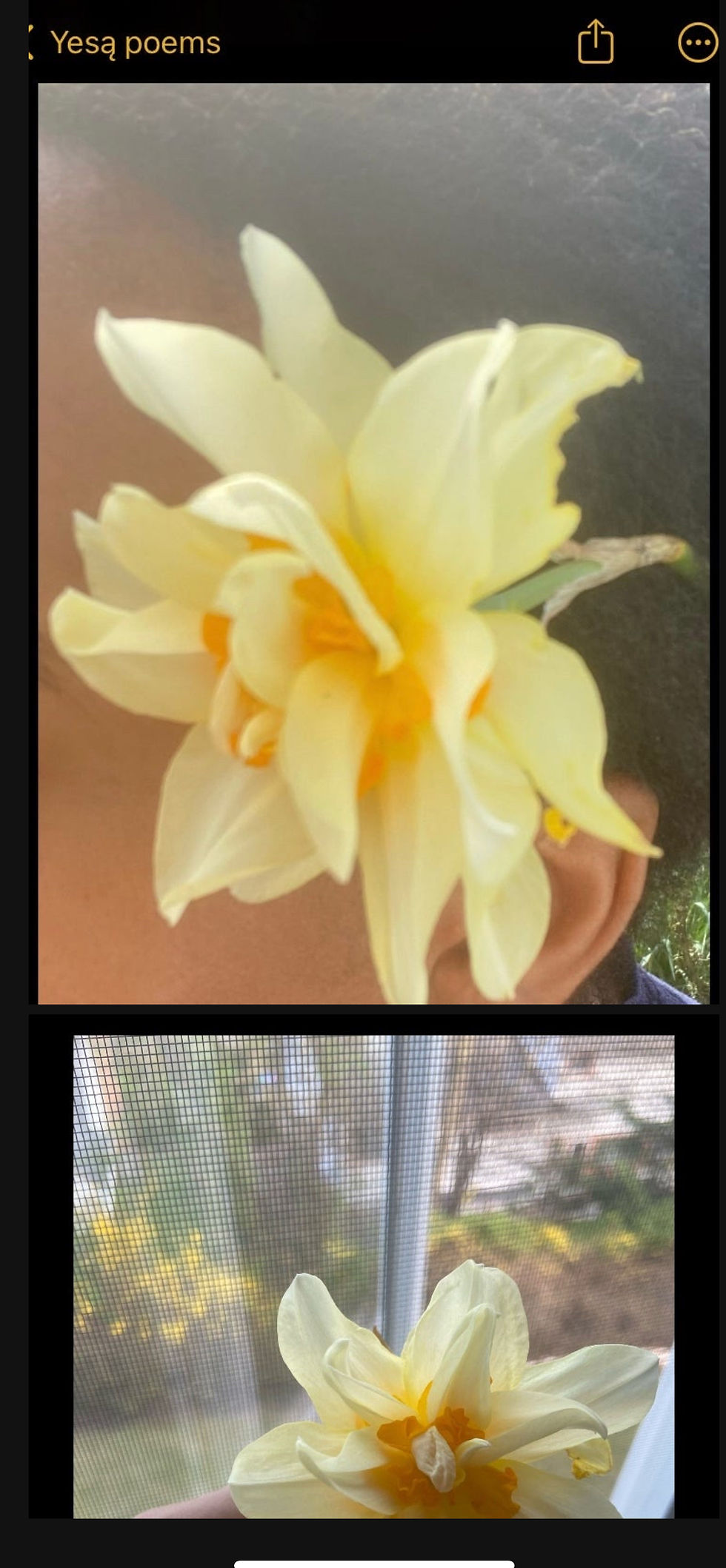
I chose to craft a poem recounting the journey of the Wahíye on the front lawn of my atʰí: (home). Harmed by the aggressive blades of lawnmowers, the flowers endured stress and damage. In response, I intervened to extend their lives, providing water and shelter within my dwelling. This experience serves as a poignant reminder of the importance of mindfulness in our daily lives and the profound impact of our actions on others, including our non-human relatives. Even seemingly small choices, such as refraining from using toxic bug sprays or avoiding harmful chemicals on grass, can yield significant positive outcomes for the environment.



In summary, I express gratitude for the sacrifices made by Hena Amai: that have led us to our present circumstances. I am committed to using my voice to advocate for all our kin and to speak out against systemic oppression. I extend my gratitude to all the water protectors, Indigenous rights activists worldwide, and everyone bravely standing up against capitalism and other forms of harm inflicted upon our relatives.


Comments