
Causes to Support
As an Afro-Indigenous person grounded in Indigenous lifeways and practices, I am committed to raising awareness around social justice issues that align with my values and lived experience. While financial contributions are always appreciated, helping to share and amplify these causes is equally vital to the work.
Missing and Murdered Indigenous Women, Girls, and Two-Spirit People (MMIWG2S+)

According to the National Institute of Justice, over 84% of Indigenous women experience lifetime violence. Despite Indigenous people being among the most at risk of experiencing violence, there is very little, if any, media attention, government action, or systemic support given to Indigenous communities, leaving families and advocates to lead the fight for justice on their own. As an Indigenous woman, I feel it is my responsibility to spread awareness about MMIP/MMIWG2S+ and list resources on my website.
Links:
Buffalo's Fire MMIP (Missing and Murdered Indigenous People)) Map: https://www.buffalosfire.com/mmip
StrongHearts Native Helpline: Call or text 1-844-7NATIVE (762-8483)
MMIP Toolkits: https://mmiwhoismissing.org/mmip-toolkits
Protect the Maki
Lemur kin Are Endangered

Madagascar’s lemurs are among the most endangered mammals on the planet, facing urgent threats from deforestation, hunting, and climate change. These remarkable animals are not only vital pollinators and seed dispersers, but also keystone species essential to the health and regeneration of Madagascar’s ecosystems. As someone of Malagasy descent, I feel a deep responsibility to advocate for our non-human relatives. Lemurs are not just icons of biodiversity, they are sacred beings, deeply connected to Indigenous ecological knowledge, cultural stewardship, and the spiritual balance of the land. I am proud to support and uplift Malagasy-led conservation initiatives working on the front lines of lemur protection. You can explore and support their work through the links provided below.
Links:
https://www.lemurconservationnetwork.org/about/
https://madagascarpartnership.org/
https://moneyformadagascar.org/enabling-youths-to-lead-lemur-conservation-in-eastern-madagascar/
Stop the Mountain Valley Pipeline!
Protect Indigenous Land

As a Yesą (Occoneechee) woman, I am raising awareness about the threat the Mountain Valley Pipeline poses to Amá̡:inausí̡ka, the ancestral homelands of my people. This project disregards the rights of nature, violates our sacred relationship with the land and water, and threatens clean ma:ni (water) despite protections like the Clean Water Act. The destruction of our environment for corporate profit reflects a broader pattern of colonial exploitation and environmental injustice. Indigenous communities must be heard and respected as leaders in sustainable stewardship. Our voices are vital in defending the land, protecting our non-human relatives, and ensuring a just and livable future for all.
Links:
https://www.sierraclub.org/virginia/new-river-valley/stop-mvp
https://action.nrdc.org/petition/1113-mountain-valley-pipeline-221113
Repatriate the Ancestral Remains and Sacred Items of Caribbean Indigenous Peoples
As an Afro-Indigenous descendant of the Taíno peoples. I created this petition to call for the repatriation of the ancestral remains of a Taíno child, identified through DNA as a relative of mine and others in the Caribbean diaspora, currently held by Yale University’s Peabody Museum. The remains were taken from the Great Abaco Islands in 1934 without consent, along with sacred funerary items, violating Indigenous burial traditions and likely the Native American Graves Protection and Repatriation Act (NAGPRA). As Taíno people are still living and connected to these ancestors through culture and bloodlines, this ongoing possession is both spiritually harmful and ethically unacceptable. The child, estimated to be between 5 and 10 years old, deserves to be returned to the land and people from which he was taken. I urge Yale University to honor its legal and moral obligations by consulting with Taíno-descended communities and returning this young ancestor to his rightful resting place.
Links:
Stop Fulani Discrimination!

As a member of the African diaspora with Fulani ancestry rooted in the Senegambian region (Mali, Senegal, and Guinea-Bissau), I believe it is important to raise awareness about the systemic discrimination and marginalization that Fulani communities continue to face across parts of West and Central Africa. Despite being one of the largest and most historically significant nomadic ethnic groups on the continent, spanning from Senegal to Cameroon, the Fulani people are often subjected to prejudice, scapegoating, and violence tied to their mobility, ethnic identity, and religious affiliation, particularly due to their Muslim faith. In several countries, negative stereotypes have fueled social exclusion and human rights abuses, including displacement and communal conflict. These challenges are exacerbated by political instability, environmental pressures, and a lack of formal protections. Recognizing and addressing the complexities of Fulani experiences is essential to promoting justice, inclusion, and cultural understanding across the African continent and within the global diaspora.
Links:
https://www.uscirf.gov/publications/abuses-against-fulani-muslim-civilians
https://eu.aimint.org/resources/pray-for-the-unreached-fulani-people/
https://give.abwe.org/projects/open-initiative-fulani-people
Stop the Genocide in Congo!
Indigenous Congolese Kin are in Danger!

As someone with ancestral ties to the Congo and living Congolese relatives, I feel a deep responsibility to raise awareness about the ongoing humanitarian crisis in the Democratic Republic of the Congo. Despite its vast mineral wealth, the Congolese people, especially children, are being exploited through forced labor in cobalt mines to power the devices many of us use daily. Indigenous communities, including the Twa (often referred to as “Pygmies”), are also facing violence, displacement, and cultural erasure in the Congo rainforest. These injustices are deeply rooted in ongoing colonial systems and global demand for resources. I encourage others to be mindful of their tech consumption, support ethical practices, and engage with Congolese-led organizations advocating for justice. Resources to learn more and take action are provided below.
Links:
https://www.savethechildren.org/us/where-we-work/democratic-republic-of-congo
https://www.ilo.org/projects-and-partnerships/projects/global-accelerator-lab-galab
Free South Sudan!

The people of Sudan are facing a devastating and ongoing humanitarian crisis, with countless civilians unjustly killed amid widespread violence and political instability. Armed conflict between rival military factions has led to mass displacement, the destruction of essential infrastructure, and targeted attacks on vulnerable communities, including women and children. This situation is not only a regional tragedy but a profound human rights emergency that demands global attention and solidarity. The loss of innocent lives and erosion of civil society in Sudan highlight the urgent need for international support, accountability, and a commitment to peace-building rooted in justice. It is essential that we amplify Sudanese voices, support humanitarian aid efforts, and advocate for an end to this cycle of violence.
Links:
https://www.rescue.org/country/south-sudan
Free Palestine!

The humanitarian crisis in Gaza has reached catastrophic levels, with children dying from both starvation and continued military assaults. Indigenous Palestinian families face ongoing displacement, home demolitions, and violence under occupation, in clear violation of international human rights standards. The systemic targeting of civilians and the destruction of essential infrastructure have created unlivable conditions for millions, particularly in Gaza, where access to food, water, and medical care is severely restricted. As global citizens, it is our ethical responsibility to stand in solidarity with the Palestinian people by raising awareness, supporting direct aid efforts, and taking action through informed advocacy. Below, I’ve provided links to the BDS (Boycott, Divestment, Sanctions) boycott list and additional resources to help support Palestinian families and amplify their calls for justice and liberation.
Links:
https://bdsmovement.net/Guide-to-BDS-Boycott
Free West Papua!
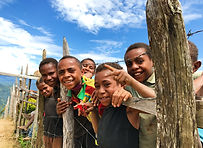
In West Papua, Indigenous Papuans continue to face widespread human rights violations, including extrajudicial killings, forced displacement, and systemic violence at the hands of Indonesian military forces. For decades, West Papuans have called for self-determination and the protection of their ancestral lands, only to be met with severe militarization, suppression of political expression, and resource exploitation. These actions not only threaten the survival of West Papuan communities but also constitute a broader pattern of colonial violence and environmental destruction. Reports of civilians, including women and children, being targeted underscore the urgent need for international attention, solidarity, and accountability. It is critical to amplify West Papuan voices, advocate for their right to autonomy and cultural survival, and support global efforts to end the ongoing crisis.
Links:
https://www.elsam.or.id/en/static/history
Stop Private Beaches!

As someone with ancestral ties to the Caribbean, specifically Jamaica, Turks and Caicos, Bermuda, Trinidad and Tobago, and Barbados, and with Taíno lineage, I feel a strong responsibility to shed light on the ongoing issue of beach privatization across the region. In places like Yamayeka (Jamaica) and Borikén (Puerto Rico), the rise of privatized coastal developments has increasingly restricted local communities from accessing ancestral shorelines, fishing grounds, and public beaches that have long been essential for cultural practices, sustenance, and community life. This is not only an environmental justice issue, but also one of Indigenous and land sovereignty. Below, I have shared educational resources and petitions to support local and Indigenous-led efforts working to restore access, protect coastal ecosystems, and challenge exploitative tourism and development practices in the Caribbean.