
Calling Out the Hatekeepers: Who Holds the Authority

Updated: Mar 21
“If you don’t stand for something, you will fall for anything.” – Malcolm X

I just published an article on my Medium account titled," The Call Is Coming From Inside the House." Addressing anti-blackness, colorism, etc within Eastern Woodland Native communities. Click here to read: https://medium.com/@AfroYesah/the-call-is-coming-from-inside-the-house-4ec1919d5302
Me:ku (Hello), My name is Jala Simpa, also known as Mįyątipi:wa, which translates to “I am happy.” I am an Afro-Indigenous person, a descendant of the Yesáh people, specifically the Occaneechi Saponi, and of African ancestry, including the Yorùbá, Edo, and Merina Malagasy peoples. My heritage also encompasses other Indigenous nations across the so-called Americas, Africa, and the Caribbean, as well as European lineage. I have always shared my identity openly, centering lived experience, ancestral knowledge, and cultural continuity rather than colonial constructs such as blood quantum, federal recognition, or DNA tests.
“My identity is rooted in truth, culture, and lived experience, not in colonial constructs or paperwork.”
Ironically, despite DNA tests not being able to determine Indigenous identity (even AncestryDNA states this) and hatekeepers weaponizing DNA test results against Indigenous people, my parents' DNA test results confirm what my family already knew.
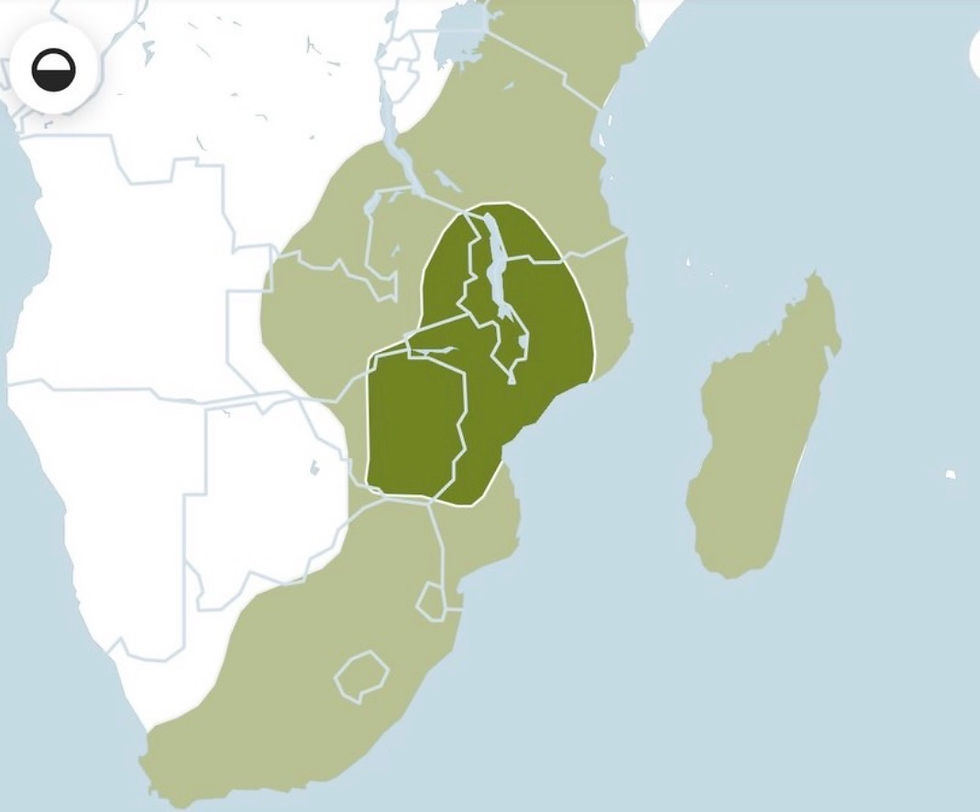


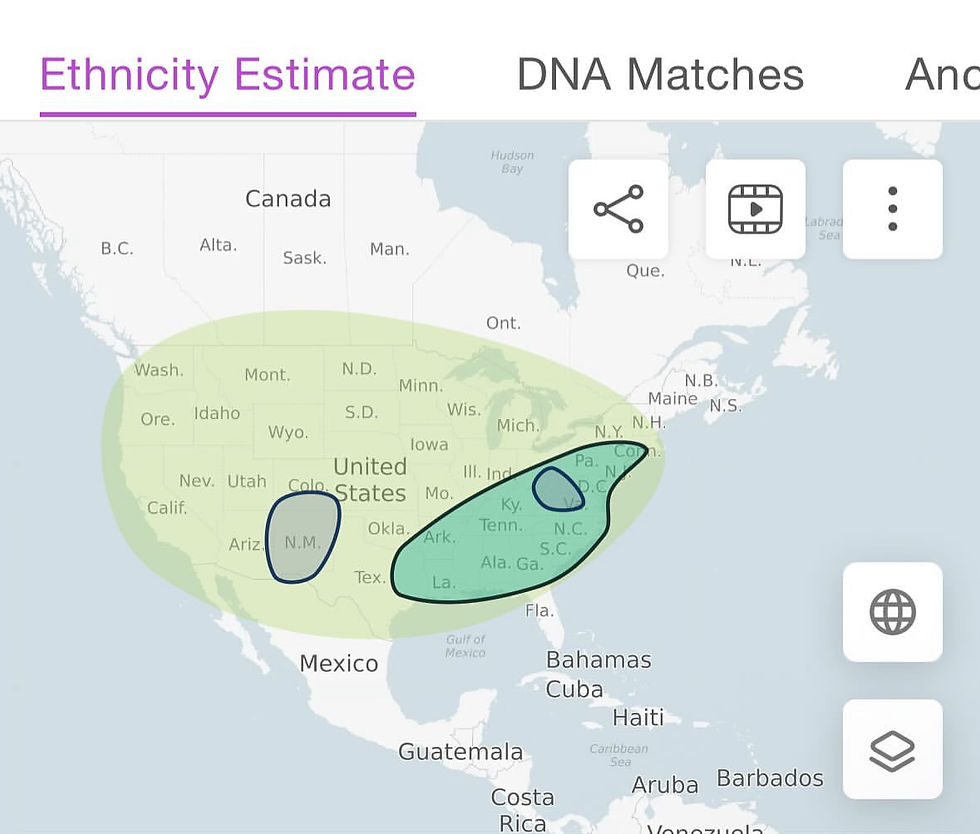


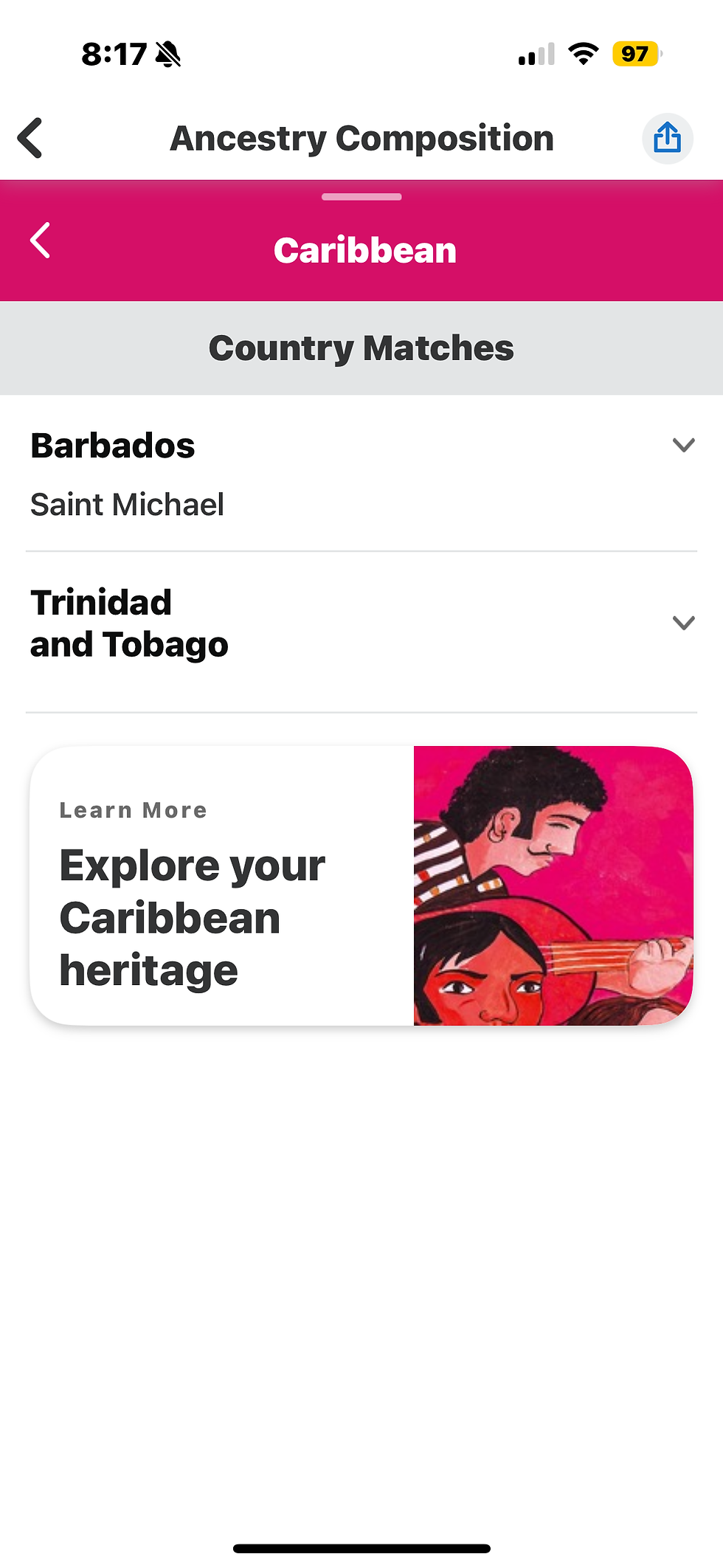


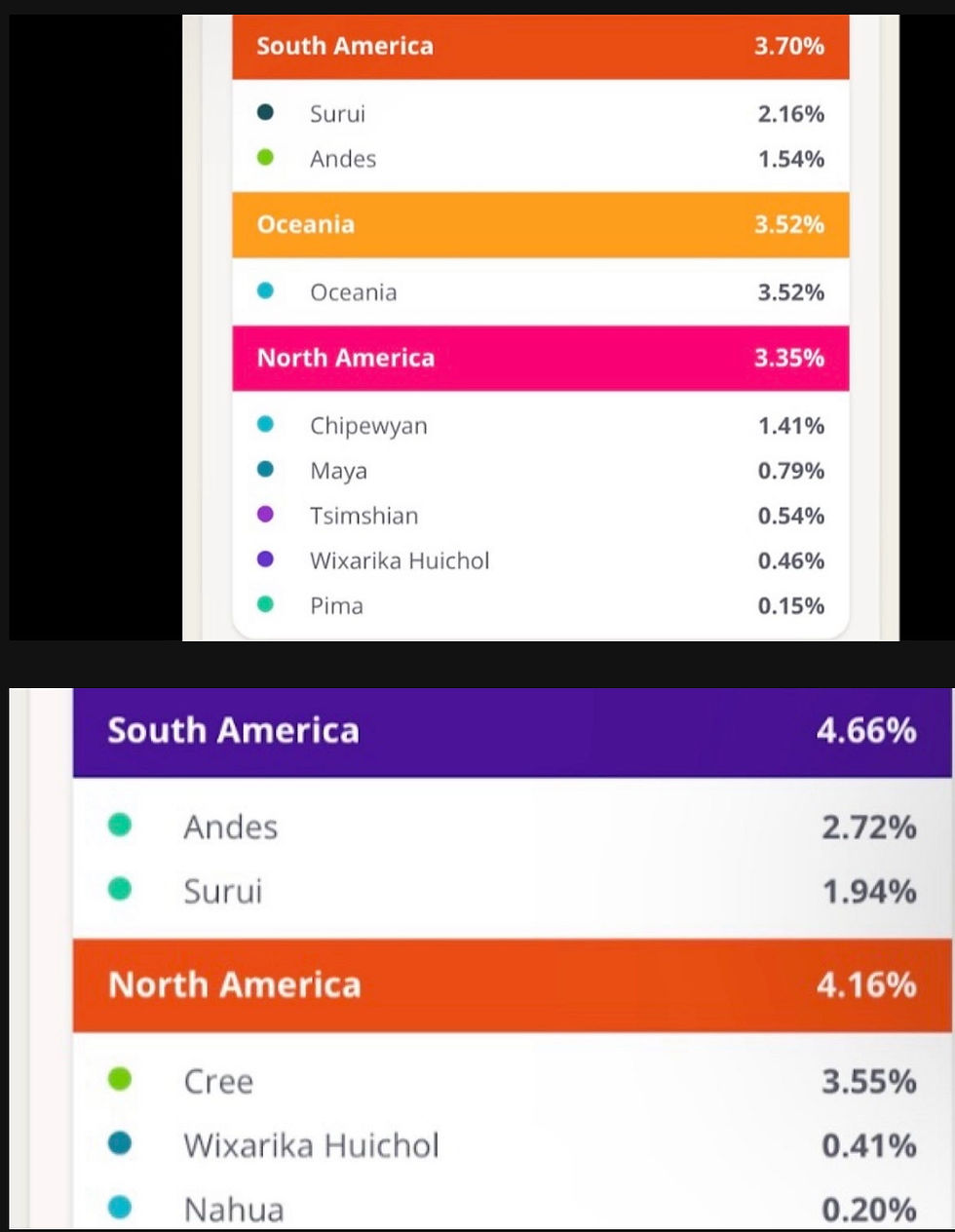
“Having Native American ancestors or Indigenous American DNA does not make someone a Native American tribal citizen. There are differences between a person’s genetic, political, and cultural identities. Native American tribal members are citizens of their nations. This is a political and cultural identification rather than a genetic identification, similar to being a citizen of any other country. In the United States, there are more than 570 federally recognized tribal nations and over 60 state-recognized tribes. There are also some regionally-recognized tribal communities.”- AncestryDNA
I share these test results not to prove who I am, nor because I subscribe to outdated colonial ideas like blood quantum or ethnicity estimates from DNA tests. In fact, I plan to write about the scientific flaws of these tests and how they can perpetuate eugenics and harm Indigenous communities.
I share the test results because they align with my genealogy, cultural upbringing, and oral family history. As someone of Indigenous descent, from both the Motherland and Turtle Island, whose ancestors have experienced paper genocide, DNA testing has helped reconnect me with lost relatives and fill in the gaps where records failed.
My Afro-Indigenous identity isn’t defined by percentages on a test, but by community involvement, language, cultural practice, and living my traditional values. Being Indigenous is about lived experiences, healing generational trauma, and honoring our non-human relatives, not just ancestry. Having Indigenous ancestors doesn't make someone Indigenous today; what matters is how you live and which communities you’re accountable to now.
The Harassment I Have Endured
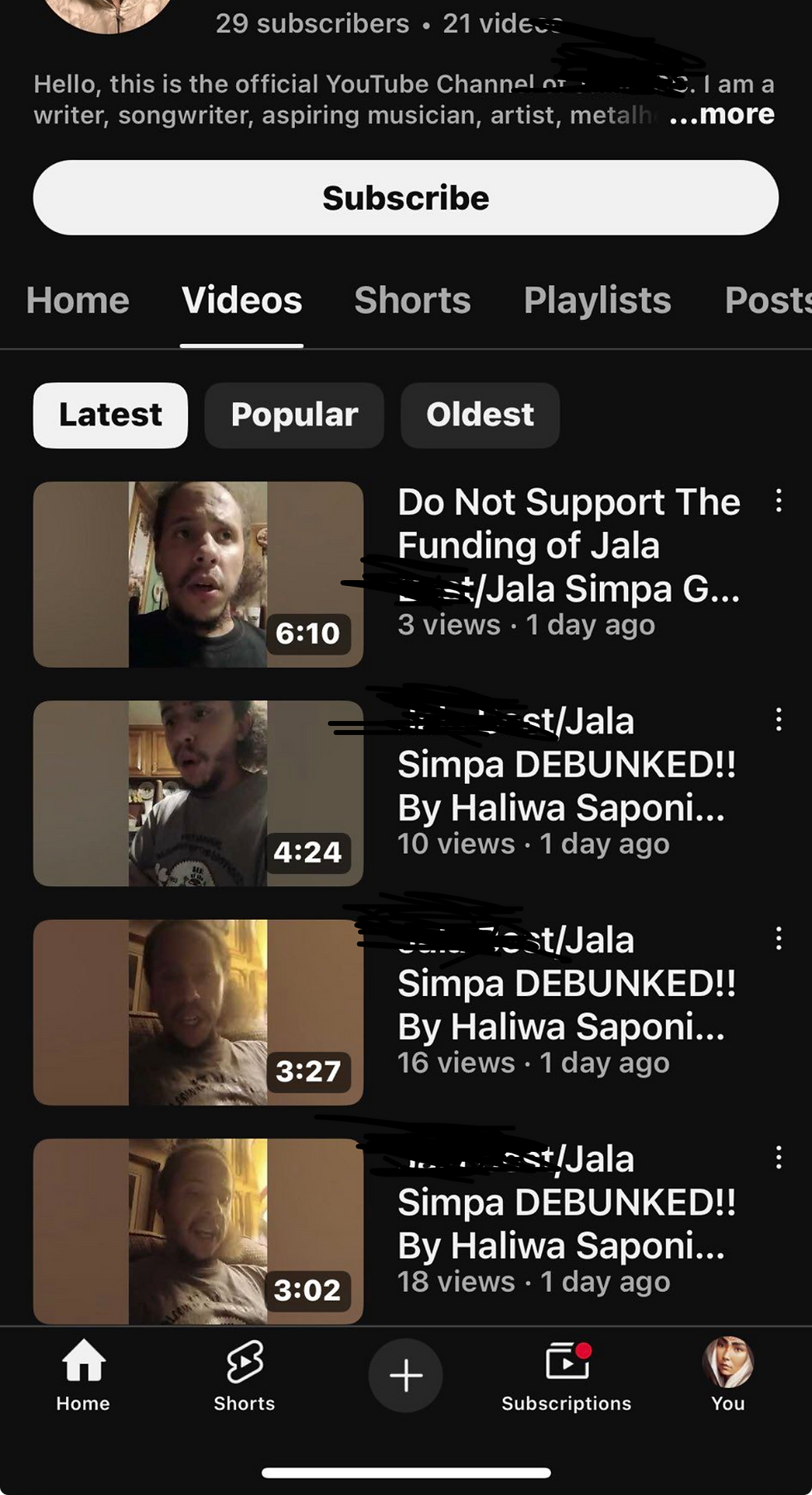
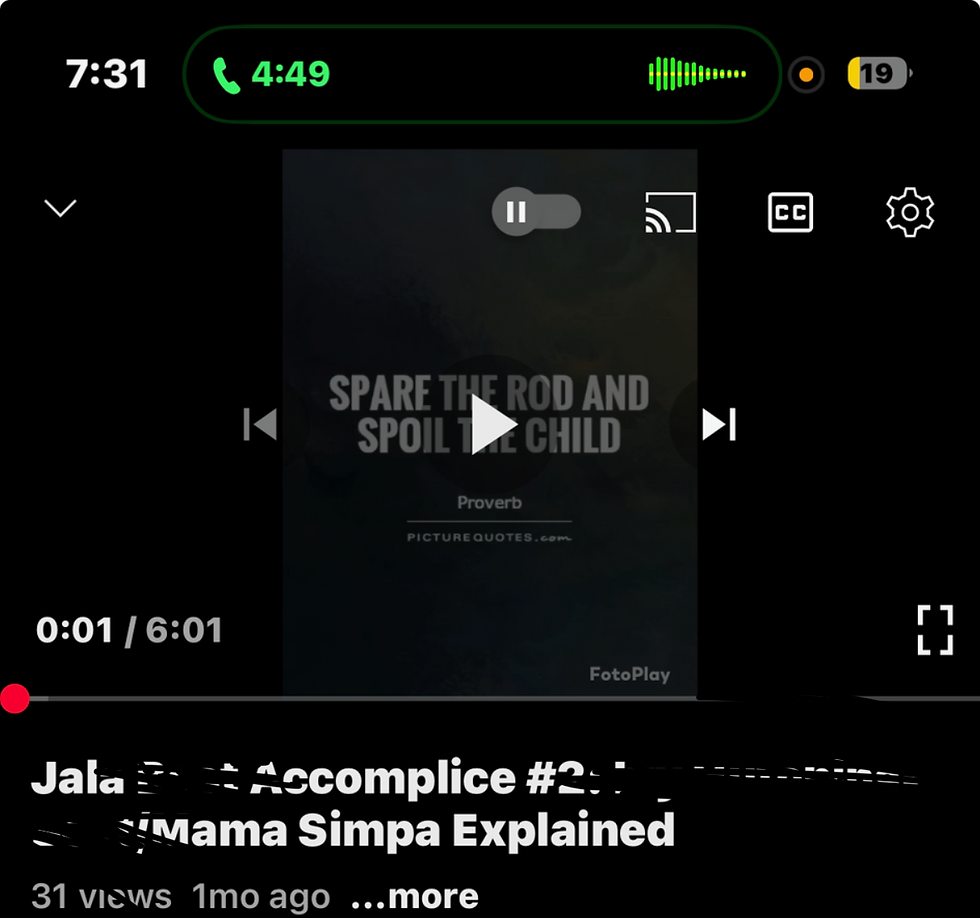
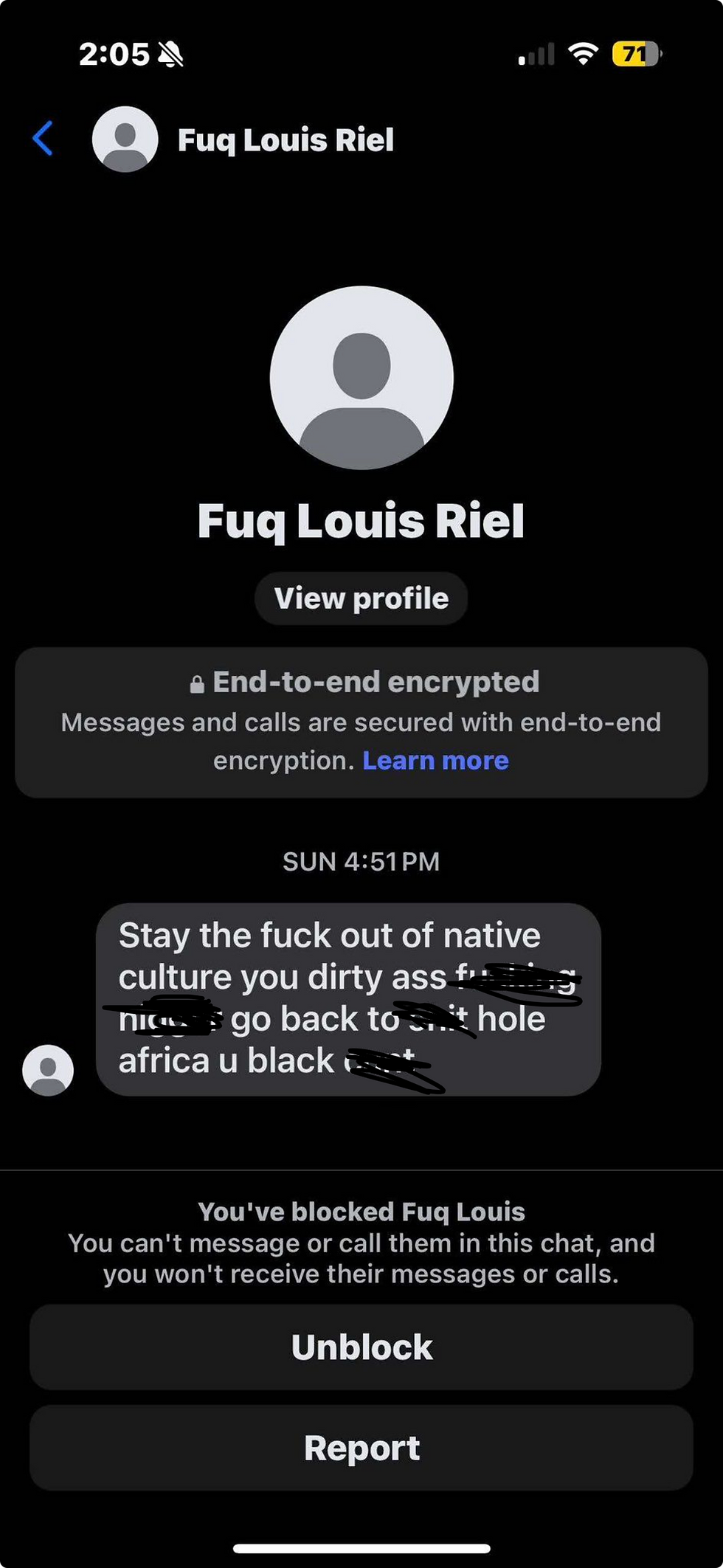
For nearly a year, I have been subjected to sustained harassment by individuals aligned with white supremacist ideologies. They have stalked me using fake accounts, called me from blocked numbers, and sent racist messages targeting both other Afro-Indigenous people and me. They have mocked my physical appearance and disability, spread lies about my deceased relatives, and created defamatory content, including more than thirty YouTube videos and even a fake family tree without my consent. Even have called up multiple people's places of employment with lies (including my loved ones), trying to ruin their careers.
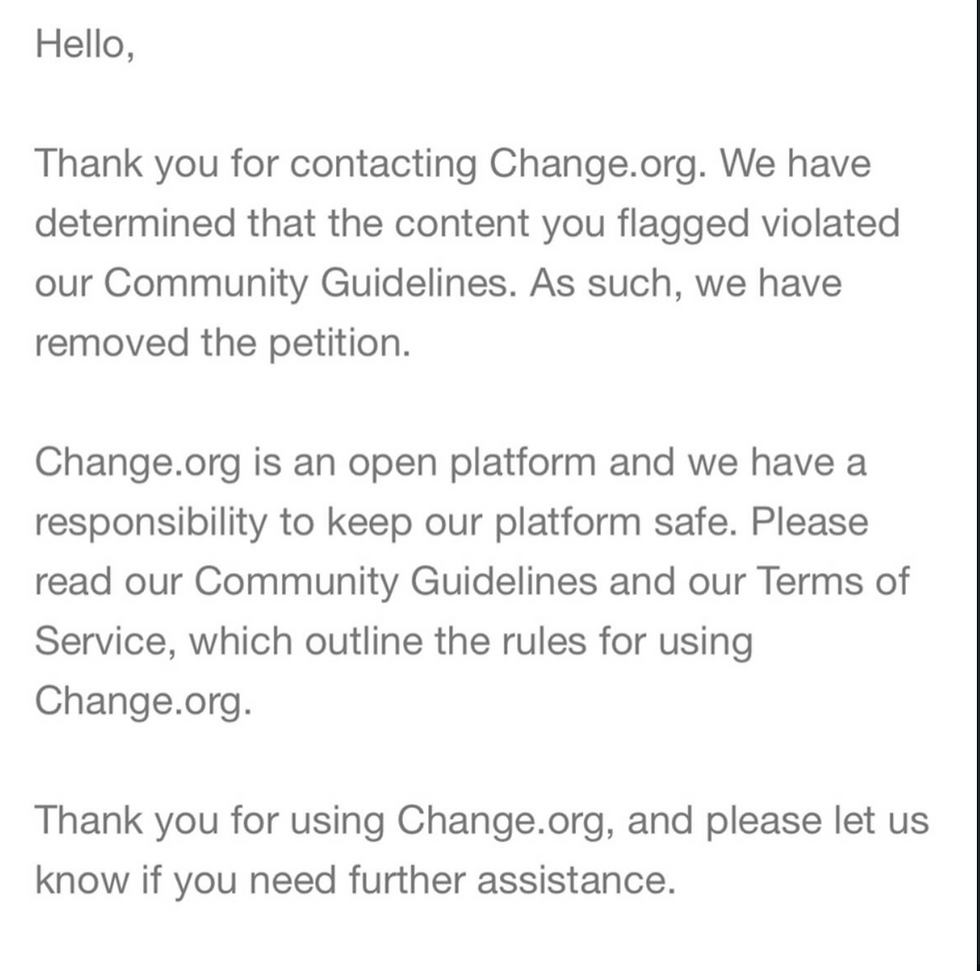
These individuals have attempted to damage my reputation by contacting organizations and people in my life with false claims, leaving fraudulent reviews of my work, and creating petitions to silence my podcast, as well as putting fake ratings on my podcast show to make the ratings go down, which exists to uplift marginalized voices. They have also organized smear campaigns on social media, encouraging others to join in the harassment.
Their actions extend beyond me. They have threatened violence and harm against multiple Indigenous people, targeted minor children with disparaging remarks, and attacked small minority owned businesses with false reviews. This campaign of harassment reflects not only personal malice but also broader issues of racism, ableism, and the misuse of online platforms to discredit and silence marginalized communities.
“These campaigns of harassment reflect personal malice and systemic abuse, not accountability.”
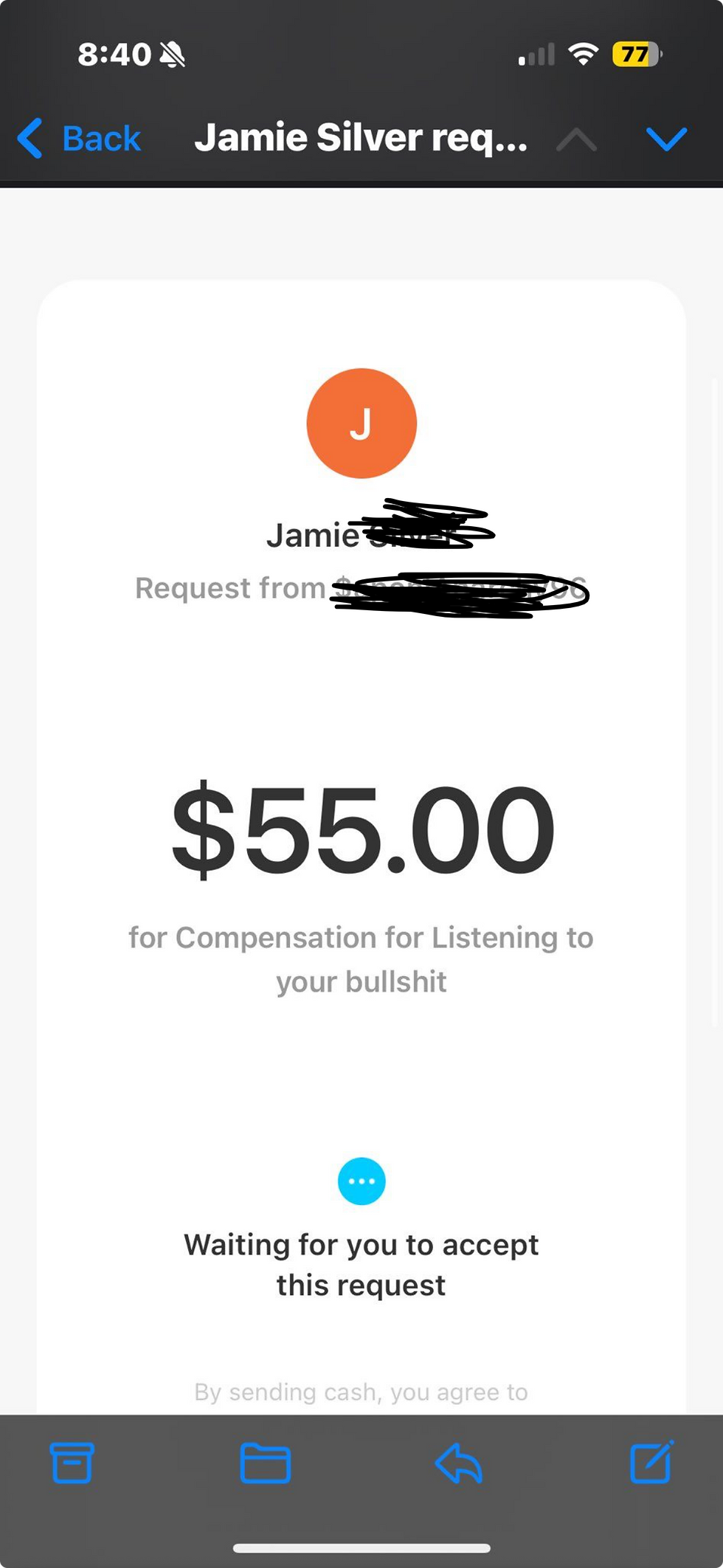
Trigger Warning: There is a lot of racist and crude language used in these screenshots. I am inserting some of the evidence (I have pages upon pages stored on my phone) of the harassment I've been dealing with for almost two years. I have blurred out racial slurs and personal information of certain people. If you know who the people are, please do not send them any hate. I do not condone it, doesn't matter that they have caused harm to me.






Who Are the Hatekeepers?
Hatekeepers — a term that also encompasses so-called “Pretendian hunters”- refer to both Indigenous and non-Indigenous individuals who engage in targeted harassment, doxxing, stalking, and bullying of marginalized people, particularly those they suspect of falsely claiming Indigenous identity. These individuals frequently leverage their social media platforms, social privilege, and in some instances, institutional power or resources to perpetuate ideologies rooted in white supremacy. This includes the promotion of anti-Black rhetoric, bigoted rhetoric against 2SLGBTQIA kin, ableism, xenophobia, lateral violence against Southern/Arctic/Caribbean/Eastern Woodland Indigenous peoples, the enforcement of blood quantum as a gatekeeping tool, and uncredentialed attempts to “research” strangers’ genealogies, often without any formal training or cultural competence in genealogical research.
In doing so, they violate the principles of tribal sovereignty by unilaterally assuming authority to police Indigenous identity and speak on behalf of diverse Indigenous nations (many of which they are not affiliated with, nor have been invited to represent). While concerns about cultural appropriation and fraudulent claims to Indigeneity are legitimate, hatekeepers exploit these issues to sow division within Native communities. Their actions disproportionately harm historically marginalized Indigenous individuals, particularly those impacted by colonial mechanisms such as paper genocide, residential schools, adoptions, racial reclassification, disenrollment, and anti-Black tribal policies, which often obstruct formal recognition or enrollment despite deep-rooted cultural ties and lived experience.
Even when community members and tribal citizens speak out in defense of individuals being wrongfully targeted, affirming that the person in question is, in fact, recognized and claimed by their community, hatekeepers often persist in their attacks. Individuals like myself, and the vast majority of Afro-Indigenous people on social media, are regularly subjected to scrutiny and harassment despite providing extensive evidence of our connections to our communities. This evidence may include genealogical documentation, tribal ID cards, DNA test results, fluency in Indigenous languages, and educational efforts to explain our identities. Nevertheless, such proof is routinely dismissed, and the harassment continues unabated.
When hatekeepers are proven wrong, they rarely, if ever, offer public apologies or take accountability. Instead, they frequently double down through slander, misinformation, and further character attacks. They show little regard for the real-life consequences of their witch hunts, including the ways their actions endanger livelihoods, compromise physical and mental health, and put at risk the safety of loved ones and those in proximity, often including innocent minors who have no connection to the conflict and no place in their harmful crusade.
As I noted in my article “How Social Media Negatively Impacts the Mental Health of Afro-Indigenous People” published on Medium: “Despite Afro-Indigenous people proving our Indigeneity, we are still told we are not Indigenous enough in comment sections as well as private direct messages. The Afro-Indigenous people who have more complex histories with their nations and multiplex intersectional identities are targeted even more when they either do not have the colonial paperwork that strangers online feel entitled to or just because they rightfully feel like they do not owe it to online strangers to prove who they are.”
As a proud Afro-Yesáh Mihą́:, I’ve never once denied my Blackness. I’ve always identified as Black and of African descent, which is why I put Afro before Native — because I am Black first. Being racialized in American society (sometimes as a mixed-race Black woman, other times simply as Black, depending on geographical location and context), I’m fully aware that my Blackness is often the first thing people see. More often than not, they assume the worst before I even have the chance to speak or let my character show who I truly am.
This is largely a result of rigid racial categories and the failure of the U.S. education system to teach the distinctions between race, nationality, and ethnicity. Native people come in all shades and phenotypes; even before colonization, we didn’t all look the same. My Blackness does not erase my Native heritage or current identity. In fact, Indigeneity is not exclusive to the so-called Americas (Turtle Island); I am also Indigenous because of my African ancestry.
I have frequently challenged the ahistorical narratives promoted by a small minority of Black individuals (who do not represent the broader Black community, and who are also in the minority when it comes to people falsely claiming Native identity). These narratives erase both my African and Native ancestors, as well as the broader Afro-Native experience. I’ve spoken candidly about my enslaved African ancestors and the struggles they endured. I even use Simpa as my social surname to honor the original name of my Edo ancestors, before it was replaced with the name of the enslaver.
I proudly include the Nigerian and Madagascar flags in all my social media bios and openly identify as Afro-Native, even listing the specific African tribes I descend from.
“An Indian is an Indian regardless of the degree of Indian blood or which little government card they do or do not possess,”- Wilma Mankiller
The Community Complicity
What concerns me most is how quickly people accept lies without fact-checking, often valuing popularity over traditional teachings. I’ve witnessed how even those seen as “respected” can be two-faced, and how tribal communities sometimes enable outsiders to exploit intergenerational trauma for division rather than unity. Too often, harm is ignored or even encouraged if it spares others from becoming targets. Abuse and racism have become normalized, and instead of being held accountable, harmful individuals are protected and rewarded with an audience.
“Our pain and trauma should never be entertainment or currency for social clout.”
Standing in Truth
For calling attention to this behavior and using my platform to speak out, I’ve been labeled a “clout chaser” and subjected to further vilification. And yet, I will not be silenced. I will continue to use my voice to speak truth, challenge injustice, and advocate for my community. The individuals who demonize me for doing so are complicit in the very harm they claim to oppose. Do more people have to lose their lives for you to care, or does it have to be someone you personally care about or know to do something? This goes beyond petty social media drama.
To revisit the Malcolm X quote referenced earlier in this article: “If you don’t stand for something, you will fall for anything.” Silence in the face of oppression is complicity.
True change will never come if we remain bystanders, unwilling to hold harmful individuals accountable. I’m often told to “just ignore them,” or that “they’re not worth the energy.” But these individuals (many of whom I’ve already blocked and will no longer engage with in a back-and-forth) continue to stalk my social media through alternate accounts, harassing not only me but countless other BIPOC who, like me, did nothing but exist. Most of us didn’t even know who these people were until they initiated unprovoked attacks.
I know who I am. No one online, especially those with no connection to my family, community, or history, can alter my DNA, my cultural upbringing, or the ties I maintain to my Indigenous, Native, and African roots. I am the descendant of ancestors who survived the Middle Passage, who resisted, who healed, and who fought for the future I now live. They did not gain their freedom by remaining silent or complicit in injustice. Some resisted with acts of liberation. I have Afro-Native ancestors who were traditional healers. If that, by today’s distorted standards, labels me a “witch,” then so be it. I do not pay mind to those who try to attack me and stereotype me because of my Indigenous spirituality practices.
As long as society continues to blame the victims and protect the perpetrators, nothing will change. This article is not about proving who I am because my identity is already rooted in truth. Rather, it is an act of resistance, a contribution to the growing digital archive of Indigenous and Afro-Indigenous voices asserting our right to exist, to speak, and to protect ourselves. For others who are experiencing similar violence and erasure: You are not alone. You deserve to be seen, supported, and heard.
To the hatekeepers: Bullying will not make you more Indigenous. Ask yourselves, what would your ancestors think of your actions? How would your elders respond, if you even have any? And what will your descendants inherit: pride in your legacy or shame? Know this: what is done in darkness eventually comes to light. Especially when the stones are being thrown from within glass houses. I have always stood firmly in my truth, which is why there is nothing that can be held against me. I encourage others to do the same, to live authentically and with integrity. Rather than using time and energy to spread division and hate, consider investing in actions that uplift your community and contribute positively to the well-being of your people.
To claim to care about Indigenous communities while simultaneously engaging in harmful, harassing behavior is deeply contradictory. Policing the identities of others, especially those who are already marginalized, only perpetuates harm. How someone chooses to identify, particularly when rooted in lived experience, family history, and cultural ties, is not for others to invalidate or control. The existence of Afro-Native peoples does not negate or diminish anyone else’s ancestry. We should all be able to exist and express ourselves online without enduring constant scrutiny and harassment. Moreover, having distant African ancestry or Afro-Native relatives does not automatically make one Afro-Indigenous, nor does it grant the authority to speak over those of us who are and who live these intersectional realities daily. Respecting others’ identities and focusing on community-building rather than gatekeeping is the true path to solidarity and healing. Ale:wa!


Comments